6 minute read -
Installing a Heating Timer: How to Connect It and Set the Schedule
A heating timer for a gas or oil boiler is usually a programmable room thermostat that you fit in place of your old thermostat: isolate the boiler, unscrew the old thermostat, transfer the wires and set the schedule. Check beforehand that the new thermostat works with your boiler (on/off or OpenTherm) and whether the wiring in your home is low voltage or mains voltage.
For a plug-in electric heater, use a plug-in timer switch that can handle the power of the heater.
What will you learn in this article?
- What exactly is a heating timer?
- Why use a heating timer?
- Which timer or thermostat suits your heating?
- What do you need?
- Step by step: fitting a programmable thermostat to a boiler
- How do you set a heating timer sensibly?
- Timer switch for an electric heater: what to look out for
- Frequently asked questions about installing a heating timer
- In short: installing a heating timer
What exactly is a heating timer?
When people talk about a heating timer, they mean one of two things:
- A programmable room thermostat: controls the boiler based on a time schedule and a target temperature.
- A timer switch: a timer between the socket and the appliance, for example for an electric heater or an infrared panel. It only switches on and off at set times.
For a home with a boiler or heat pump, you need a programmable thermostat. A timer switch is meant for standalone electric heating.
Why use a heating timer?
- You only heat the house when you are at home or awake.
- The house is warm when you get up or come home, without the heating running all day.
- You no longer have to remember to adjust the thermostat.
- Less unnecessary heating means lower energy use.
How much you save depends on your home, its insulation, the type of heating and your current habits. There is no fixed figure for it.
Which timer or thermostat suits your heating?
Look at how your boiler is controlled:
| Control type | What it means | Watch out for |
|---|---|---|
| On/off | Thermostat switches the boiler on or off | Almost any programmable thermostat works with this |
| OpenTherm | Thermostat controls how hard the boiler fires | Choose an OpenTherm thermostat for the most comfort |
| Heat pump | Own protocol or control via the manufacturer | Choose a thermostat the manufacturer supports |
| Electric heater | Mains power via a plug | Timer switch with a high enough maximum load |
You will find this in your boiler's manual or on the old thermostat. If in doubt, take a photo of the wiring and the boiler's data plate and ask for advice.
What do you need?
- The new programmable thermostat and its manual
- A set of small screwdrivers
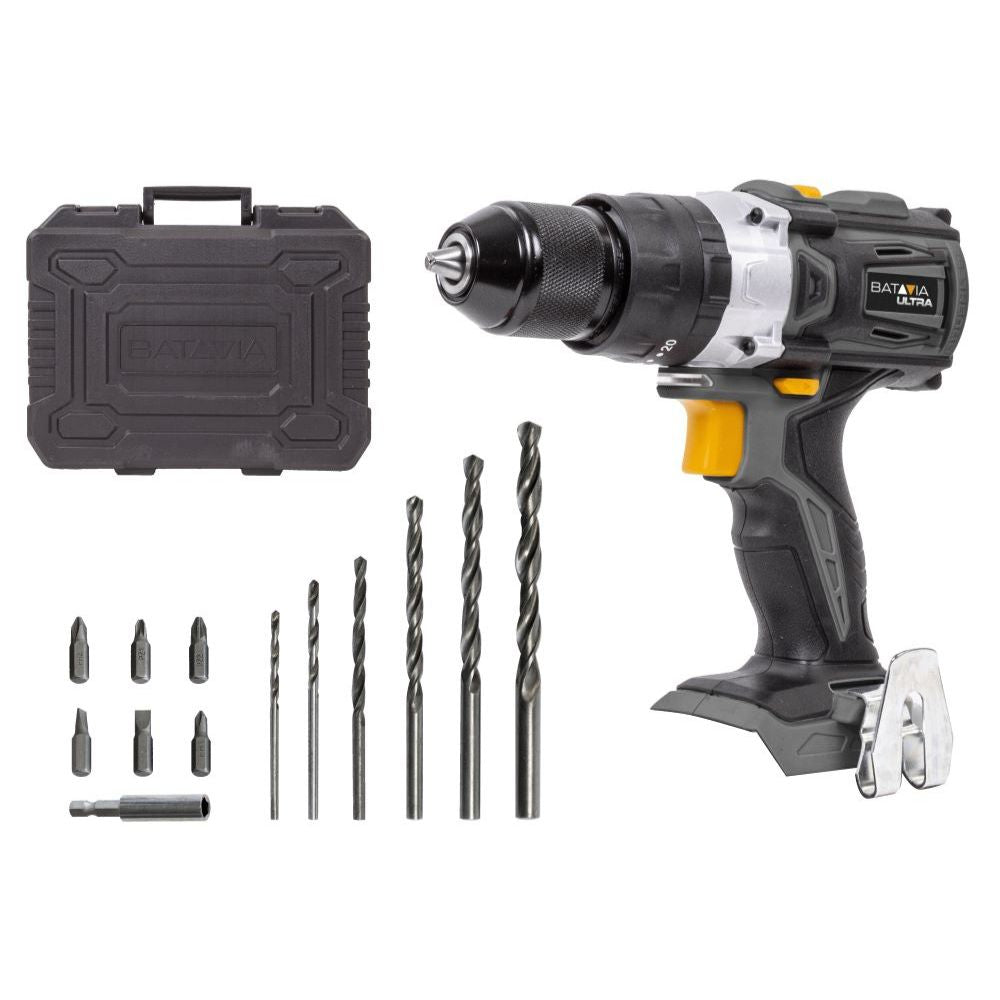
- A cordless drill driver, plus a drill with masonry bit and wall plugs if the old holes do not line up
- A spirit level
- Your phone to photograph the wiring
- A voltage tester
Step by step: fitting a programmable thermostat to a boiler
Isolate the power
Switch off the boiler at its fused spur or unplug it, and switch off the heating controls if they have a separate supply. In many UK homes the thermostat and programmer wiring carries mains voltage (230 volts), so make sure everything is dead before you touch any terminal.
Remove the old thermostat
Take the front off the old thermostat. Photograph the connections before you disconnect anything. Unscrew the wires and remove the backplate from the wall.
Check the wires
On a low-voltage on/off or OpenTherm system there are usually two wires. If there are more wires, or you see a thicker cable that looks like mains wiring, check that your new thermostat is designed for that set-up. Mains wiring and rewiring of controls are best left to a qualified electrician or heating engineer.
Fix the backplate
Hold the new backplate against the wall, check it with the spirit level and mark the holes. If the old holes do not fit, drill new ones with a masonry bit and fit wall plugs. Watch out for pipes and cables in the wall around the thermostat. Do not hang the thermostat next to a radiator, in direct sun or in a draught, because it will then read the wrong temperature.
Connect the wires
Connect the wires to the terminals shown in the manual. With two low-voltage wires the order often does not matter, but always follow the manual. Tighten the terminals firmly without damaging the wire.
Test
Clip the thermostat onto the backplate, fit batteries if it needs them and switch the boiler back on. Set the target temperature above room temperature and check that the boiler fires up. Then turn it down and check that the boiler stops.
How do you set a heating timer sensibly?
- Build the schedule around your real habits: when you get up, leave, come home and go to bed.
- Let the heating come on shortly before you get up or come home, not hours in advance.
- Lower the temperature at night and when you are out.
- Use the holiday setting when you are away for longer.
- After a few weeks, check whether the schedule suits you and adjust it.
Night setback with underfloor heating or a heat pump
Underfloor heating and heat pumps respond slowly and run most efficiently at a fairly constant temperature. A large night setback means the system has to run flat out for a long time in the morning to catch up. Keep the difference between day and night small, or follow your heat pump manufacturer's advice.
Timer switch for an electric heater: what to look out for
An electric heater draws a lot of current. Check the maximum load on the timer switch and compare it with the power on the heater's rating plate. If the timer is underrated, it can overheat. Do not use an extension lead or multi-socket adaptor between the heater and the timer, and never leave the heater running unattended with anything flammable nearby.
Frequently asked questions about installing a heating timer
Can I replace a thermostat myself?
Often, yes, as long as you isolate the power and follow the manual. Many UK systems use mains-voltage controls, so test that the wires are dead first. If you find mains wiring you are not confident with, or you are unsure about the wiring, call in a qualified electrician or heating engineer.
Why does my boiler not fire up after replacing the thermostat?
Check that the boiler has power again, that the wires are secure and that the thermostat is suitable for your boiler. Some thermostats need to be paired or configured first. Look in the manual for fault codes too.
Which is better: a programmable thermostat or a smart thermostat?
A smart thermostat is a programmable thermostat that you can also control through an app, and some take your presence into account. That is useful if you keep irregular hours. With a fixed daily routine, an ordinary programmable thermostat does the same job.
Where is the best place for a thermostat?
In the living room, at roughly chest height on an internal wall. Not above a radiator, next to a window, in direct sunlight or in the draught from a door. In those places it measures a temperature that does not match the rest of the room.
In short: installing a heating timer
For a boiler, a heating timer is usually a programmable thermostat that replaces the old one. Check that it suits your boiler, isolate the power, test the wires and follow the manual, and call a professional for mains wiring you are unsure about. For an electric heater, use a timer switch rated for the heater's power.