7 minute read -
How to Clean Patio Slabs: Concrete, Porcelain and Natural Stone
To clean patio slabs, sweep them first, then apply a green-algae remover or a mild solution of soapy water, scrub, and rinse. How hard you can go depends on the slab. Porcelain and ceramic can take a lot, concrete slabs wear down under high pressure, and natural stone does not tolerate acidic cleaners. Do not forget the joints, because that is where most of the growth starts.
The steps below explain how to clean patio slabs by paving type, how to deal with stubborn stains and how to keep weeds out of the joints afterwards.
What will you learn in this article?
- Why is it worth keeping your patio slabs clean?
- What kind of dirt do you find on patio slabs?
- What do you need?
- Which method suits your paving?
- How to clean patio slabs, step by step
- Can you clean patio slabs with a pressure washer?
- How do you get stubborn stains out of patio slabs?
- How do you keep weeds out of the joints?
- Should you seal patio slabs after cleaning?
- How often should you clean patio slabs?
- Frequently asked questions about cleaning patio slabs
- In short: cleaning patio slabs
Why is it worth keeping your patio slabs clean?
Green algae, moss and lichen make slabs slippery, especially in shade and in autumn. That is a real slip hazard. Dirt in the joints also holds water, so weeds grow more easily and slabs are more likely to be damaged by frost. A patio that gets a proper clean once or twice a year also keeps its colour for longer.
What kind of dirt do you find on patio slabs?
- Green algae: mainly in places with little sun and plenty of moisture.
- Moss: often grows in the joints and on textured slabs.
- Black spots: lichen and ingrained dirt, which are harder to shift.
- Stains: oil or grease from the barbecue, red wine, leaves or rust from garden furniture.
- Weeds: in the joints.
What do you need?
- A broom and a stiff scrubbing brush
- A patio knife or joint brush
- A green-algae remover suitable for your type of paving
- A bucket, garden hose or pressure washer with adjustable pressure
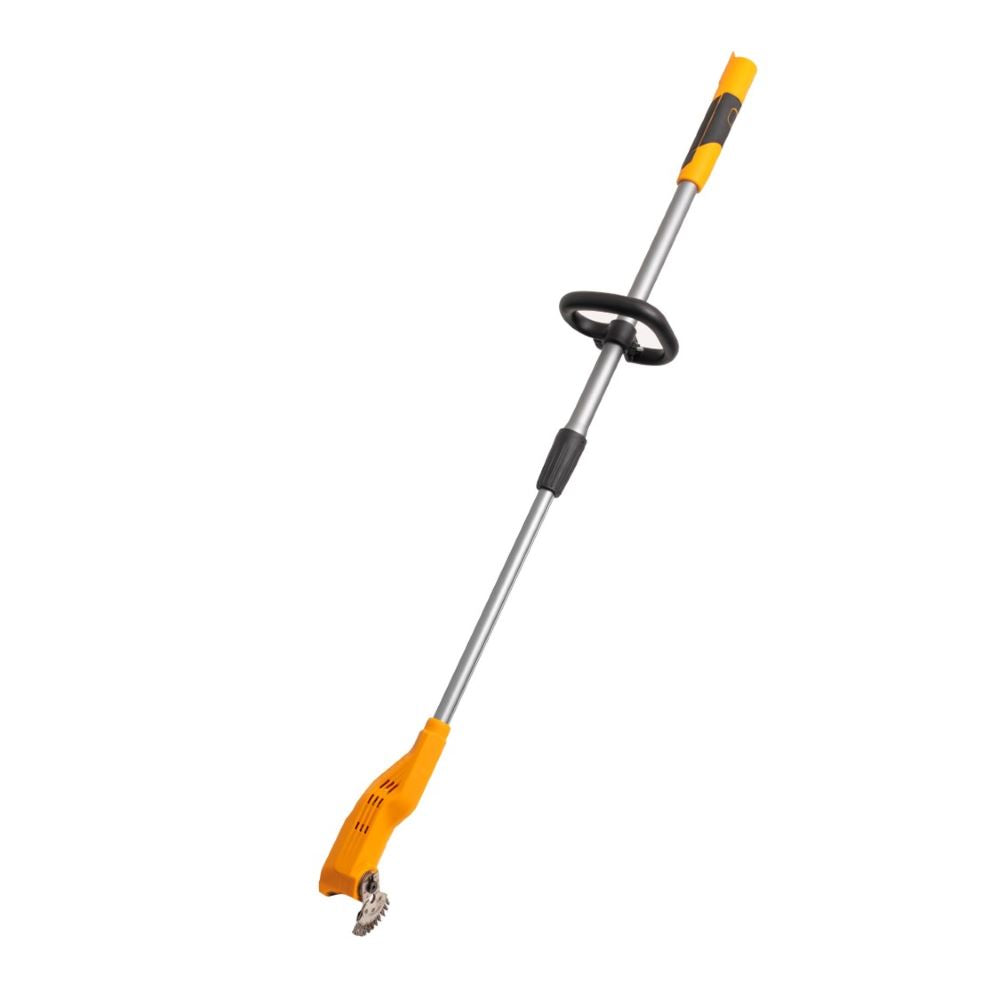
- Optionally an electric patio and joint brush such as the Batavia Twin Brush, which makes the scrubbing much lighter work on larger patios
- Gloves, plus safety glasses when you work with cleaning products or a pressure washer
Which method suits your paving?
| Paving type | Pressure washer | Cleaner | Watch out for |
|---|---|---|---|
| Concrete slabs | Preferably not, or on low pressure | Green-algae remover, mild soapy water | High pressure wears away the top layer, so the slab turns rough and gets dirty faster |
| Porcelain and ceramic | Yes | Green-algae remover, degreaser | Hard-wearing, but go easy on the joints |
| Natural stone (limestone, sandstone, bluestone) | Low pressure | pH-neutral cleaner | No vinegar or other acidic products |
| Clay pavers and brick | Low pressure | Green-algae remover | Jointing sand washes out easily |
Always check the label to see whether the product is suitable for your paving. A green-algae remover is a biocide, so choose one that is approved for use in the UK and use it exactly as the label says.
How to clean patio slabs, step by step
Sweep
Remove leaves, sand and loose dirt with a stiff broom.
Clear the joints
Scrape moss and weeds out of the joints with a patio knife or joint brush.
Apply the cleaner
Dilute the product as directed and spread it with a watering can or pressure sprayer. Work on a dry day without strong sun, so it does not dry out straight away.
Leave it to work
Stick to the contact time on the label. Some products work slowly and do not need rinsing off.
Scrub
Scrub section by section with a stiff brush or an electric patio brush. Start at the point furthest from the drain.
Rinse
Rinse with the hose, or with a pressure washer on a setting that suits your slabs. Hold the jet at an angle and never aim it straight into the joints.
Top up the joints
Brush new jointing sand into the joints if a lot has washed out.
Can you clean patio slabs with a pressure washer?
On porcelain and ceramic, that is fine. On concrete slabs and clay pavers, be more careful. The hard jet removes the dirt, but it also strips the thin cement-rich layer on the surface. The slabs become rougher and more porous, and algae comes back faster next time. Do not blast out the jointing sand either, as the slabs will then settle and shift sooner.
If you still want to use a pressure washer, use a low setting, a wide fan jet or a rotary patio cleaner attachment, and keep a good distance. Try it on a slab that is out of sight first.
How do you get stubborn stains out of patio slabs?
- Oil and grease: sprinkle cat litter or sand on a fresh stain straight away to soak up the grease. Then scrub with a degreaser or a paste of bicarbonate of soda and water.
- Red wine or leaf stains: scrub with soapy water and let the sun do the rest. Leaf stains often fade on their own.
- Rust: use a rust stain remover suitable for your paving. An acidic product can damage natural stone and concrete, so always test it first.
- Black spots: repeat the treatment with a green-algae remover and give it time. Black lichen often only disappears after a few weeks.
If a stain will not budge on expensive or old paving, ask a paving or natural stone specialist for advice before you reach for stronger products.
How do you keep weeds out of the joints?
- Clear the joints regularly, ideally before the weeds set seed.
- A joint brush, manual or electric, removes moss and weeds in one go.
- Then refill the joints with jointing sand or weed-inhibiting jointing compound.
- After cleaning, do not wash all the joints out with the pressure washer.
For more ways to tackle weeds around the garden, read how to remove weeds quickly and easily.
Should you seal patio slabs after cleaning?
A sealer or impregnator soaks into the slab and makes it water-repellent, so dirt and algae take longer to stick. It is mainly useful on porous paving such as concrete and some natural stone. Porcelain slabs usually do not need it. Only seal when the slabs are completely clean and dry, and follow the product instructions.
How often should you clean patio slabs?
A thorough clean once or twice a year is usually enough: in spring and, if needed, in autumn after the leaves have fallen. In between, regular sweeping and clearing leaves quickly makes a big difference. Patios in shade or under trees need attention more often.
Frequently asked questions about cleaning patio slabs
What is the best product for green algae on slabs?
A green-algae remover suitable for your type of paving works best. Some products work within a day, others slowly over several weeks. For natural stone, choose a product that is clearly labelled as suitable for it.
Can I use vinegar or soda crystals on patio slabs?
Soda crystals in warm water make a mild, cheap cleaner for concrete and porcelain. Vinegar is acidic and can etch natural stone and the cement surface of concrete slabs, and it is bad for the plants along your patio. Better not to use it.
Why do my slabs go green faster after pressure washing?
The hard jet roughens the surface of concrete slabs. Algae and dirt cling more easily to those pores. Scrub instead, use lower pressure and consider sealing the slabs afterwards.
When should I have my patio cleaned professionally?
For a large area, old or fragile slabs, or expensive natural stone, a specialist can pick the right method and products. That avoids damage from the wrong cleaner or too much pressure that you cannot put right afterwards.
In short: cleaning patio slabs
Sweep, clear the joints, apply a suitable cleaner, scrub and rinse. Match the method to your paving: porcelain can take a pressure washer, concrete and clay pavers need low pressure, and natural stone needs a pH-neutral cleaner. Refill the joints afterwards and give the patio a thorough clean once or twice a year.