7 minute read -
How to Install Solar Garden Lights: Step-by-Step Guide and Tips
Solar garden lights need no cable back to the house. You put the solar panel where it gets as much direct sunlight as possible, push the lights into the ground or screw them to a wall or fence, and give the battery a few sunny days to charge. Most of the work is in choosing the right spot and fixing everything securely.
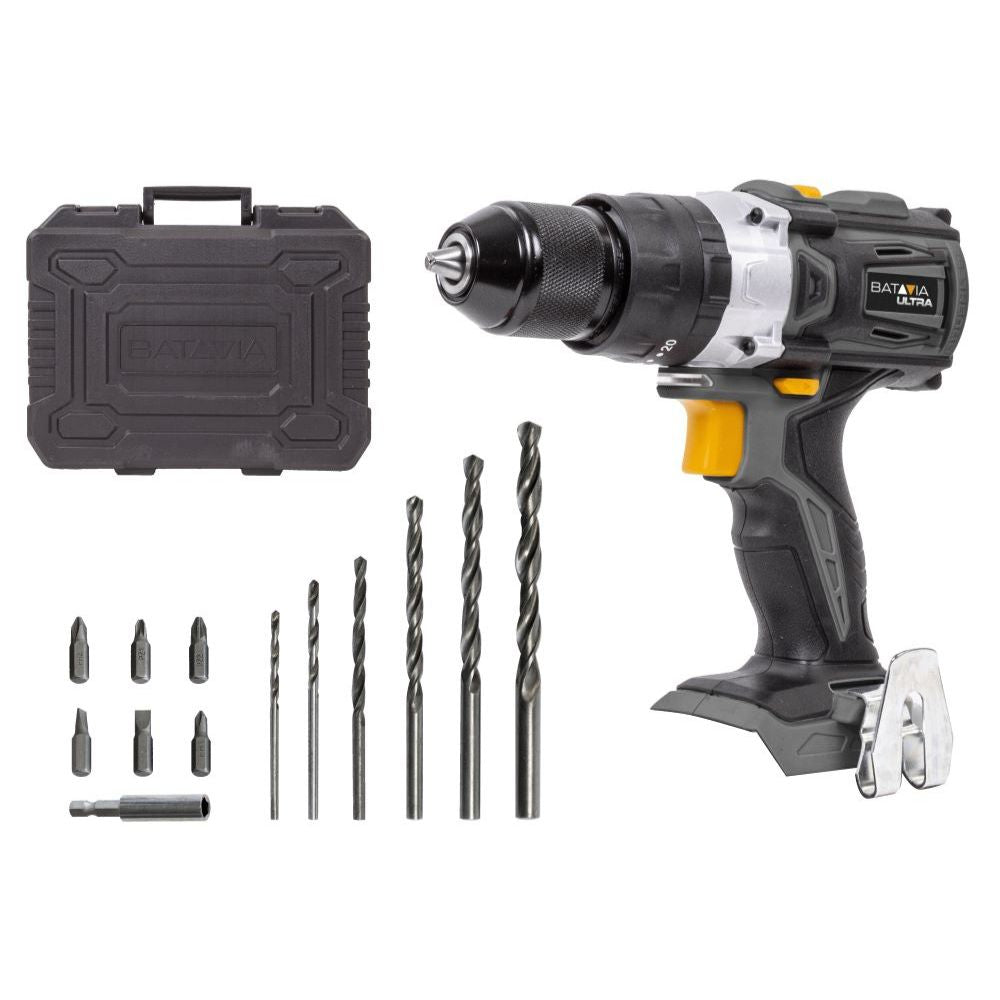
To install solar garden lights, a cordless drill driver, the right drill bits and possibly an earth auger are all the tools you need.
What will you learn in this article?
- Why choose solar garden lights?
- What types of solar garden lights are there?
- Where should you put the solar panel?
- What do you need?
- How to install solar garden lights, step by step
- Do solar garden lights work in winter?
- How do you replace the battery in a solar light?
- Solar or low-voltage garden lighting?
- Maintenance: keeping the lights working
- Frequently asked questions about solar garden lights
- In short: installing solar garden lights
Why choose solar garden lights?
- No cabling to the house: no trenches to dig and no outdoor socket to fit.
- No electricity costs: during the day the panel charges a battery that powers the light in the evening.
- Switches on and off by itself: a light sensor turns the lamp on when it gets dark.
- Easy to move: if your garden layout changes, you simply put the lights somewhere else.
The downside is that solar lights give out less light than mains-powered lighting, and in the winter months they stay on for a shorter time.
What types of solar garden lights are there?
- Spike lights and path lights: with a ground stake and the panel built into the light.
- Wall lights: with a built-in panel, often with a motion sensor.
- Lights with a separate panel: the panel sits in the sun and the light hangs in the shade on a cable, under a pergola or canopy for example.
- String lights and decorative lighting: with a separate panel on a stake.
A separate panel is handy when the spot where you want the light gets little sun.
Where should you put the solar panel?
The panel decides how well the light works. Keep these points in mind:
- Choose a spot with as much direct sunlight as possible, ideally facing south.
- Check for shade at different times of day. A tree in full summer leaf can block a lot of light from the panel.
- Tilt an adjustable panel towards the sun rather than laying it flat.
- Do not put the panel right next to other outdoor lights or a street lamp, or the sensor will think it is still daylight.
What do you need?
- The solar lighting set
- A cordless drill driver, for example from the Maxxpack 18V range
- Masonry bits and wall plugs for brick walls, wood bits for fences
- Stainless steel or other rust-resistant screws
- An earth auger or bulb planter for hard ground
- A spirit level and pencil
- Optionally a cable and pipe detector, and cable ties for a separate panel
How to install solar garden lights, step by step
Plan where the lights go
Lay the lights out loosely first and look at how the light falls in the evening. Light up paths, steps and the front door in particular, so the lighting also makes the garden safer to walk through after dark.
Charge the lights before use
Many manufacturers advise charging the lights for one or more sunny days with the switch off. Only then switch them on. Check the manual to see what applies to your lights.
Put spike lights in the ground
Do not force the stake into hard or stony ground, as it will snap. Make a pilot hole first with an earth auger or a metal spike, put the light in and firm the soil around it. In soft ground, a short piece of pipe or a small concrete block below the surface gives extra stability.
Fix wall lights in place
- Hold the light in position and mark the holes using a spirit level.
- In brick or block, drill with a masonry bit that matches the size of the wall plug. In brickwork, drill into the brick rather than the mortar joint, unless the manufacturer says otherwise.
- On a wooden fence, drill a pilot hole with a wood bit and use rust-resistant screws.
- Screw the light in place with the drill driver and check that it hangs straight.
Fit a separate panel
Mount the panel on a post, wall or fascia with the bracket supplied. Run the cable out of sight, along a fence or just under the gravel, and secure it with cable ties. Connect the plug as described in the manual. Solar sets need no wiring of your own and no crimp connectors.
Test the lights
Cover the panel in the evening or wait until dusk to see whether the sensor switches the light on. If it stays off, check the switch and whether the battery has had enough time to charge.
Do solar garden lights work in winter?
Yes, but for less time. Winter days are short and the sun is low, so the battery charges less. Expect the lights to stay on for a shorter time or to be less bright. A light with a separate panel in a sunny spot copes best in winter. Check the product specifications to see how long your light runs on a fully charged battery.
How do you replace the battery in a solar light?
The rechargeable battery lasts a number of years and then gradually loses capacity. Replace it with the same type and voltage, for example a rechargeable NiMH battery if that is what was fitted. Never use ordinary non-rechargeable batteries: they can leak or get hot when the panel tries to charge them.
Solar or low-voltage garden lighting?
| Solar | Low voltage (12V) | |
|---|---|---|
| Installation | No cabling to the house | Cable and transformer plugged into an outdoor socket |
| Brightness | Lower | Higher and more consistent |
| Winter | Shorter running time | Runs to schedule all year |
| DIY installation | Yes | Yes, low-voltage systems are DIY-friendly |
If you want mains-voltage (230V) garden lighting with a fixed connection, leave that to a qualified electrician.
Maintenance: keeping the lights working
- Wipe the panels regularly with a damp cloth. Dust, leaves and bird droppings reduce the output.
- Check that no moisture has got into the lights.
- Bring cheaper lights indoors during a harsh winter if you like.
Frequently asked questions about solar garden lights
Why won't my solar garden light come on?
Often the switch is still off, the battery is flat or the panel gets too little sun. Other light sources nearby can also confuse the sensor. Let the light charge for a few sunny days and then put it somewhere without other lighting nearby.
Can you use solar garden lights in the shade?
A light with a built-in panel works poorly in the shade. Choose a model with a separate panel instead, so you can put the panel in the sun and the light in the shade.
What drill bit do you use to hang a solar wall light?
In brick or concrete, use a masonry bit with the same diameter as the wall plug. In wood, drill a pilot hole with a wood bit so the timber does not split. A cordless drill driver is more than enough for a few holes. For more on drilling timber neatly, see how to drill accurate, straight holes in wood.
How long do solar garden lights last?
The LED lasts a long time. The rechargeable battery wears out first and usually needs replacing after a few years. With a new battery, the light works normally again.
In short: installing solar garden lights
Put the panel in the sunniest spot you can find, charge the lights before switching them on, and fix spike lights and wall lights securely with the right drill bits and fixings. Expect shorter running times in winter, keep the panels clean and replace the rechargeable battery when it wears out.