6 minute read -
Patio Cleaning: How to Tackle Wood, Composite, Concrete and Stone
You clean a patio in four steps: clear it and sweep it, brush out the joints, scrub or spray with a cleaner that suits the material, and rinse thoroughly. Concrete and most concrete paving slabs can take a pressure washer. Timber, composite and soft natural stone need gentler treatment, with a brush or low pressure.
The right method for patio cleaning depends on what your patio is made of. Below you will find what you need, how to prepare, and how to tackle wood, composite, concrete and natural stone without damaging the surface.
What will you learn in this article?
- What do you need to clean your patio?
- How do you prepare for cleaning?
- How do you clean a wooden patio or decking?
- How do you clean composite decking?
- How do you clean a concrete patio or concrete slabs?
- How do you clean a natural stone patio?
- How do you remove green algae?
- How do you remove weeds from between the joints?
- Which pressure washer mistakes are easy to make?
- How often should you clean your patio?
- How do you protect the patio after cleaning?
- Cleaning safely
- Frequently asked questions about patio cleaning
- In short: patio cleaning
What do you need to clean your patio?
- A stiff broom and a joint scraper or joint brush
- A bucket, a scrubbing brush and an environmentally friendly cleaner that suits the material
- A garden hose, and if you like a pressure washer or a cordless pressure cleaner
- If needed, a green deposit remover and a sealer or decking oil for afterwards
- Gloves, safety glasses and sturdy shoes
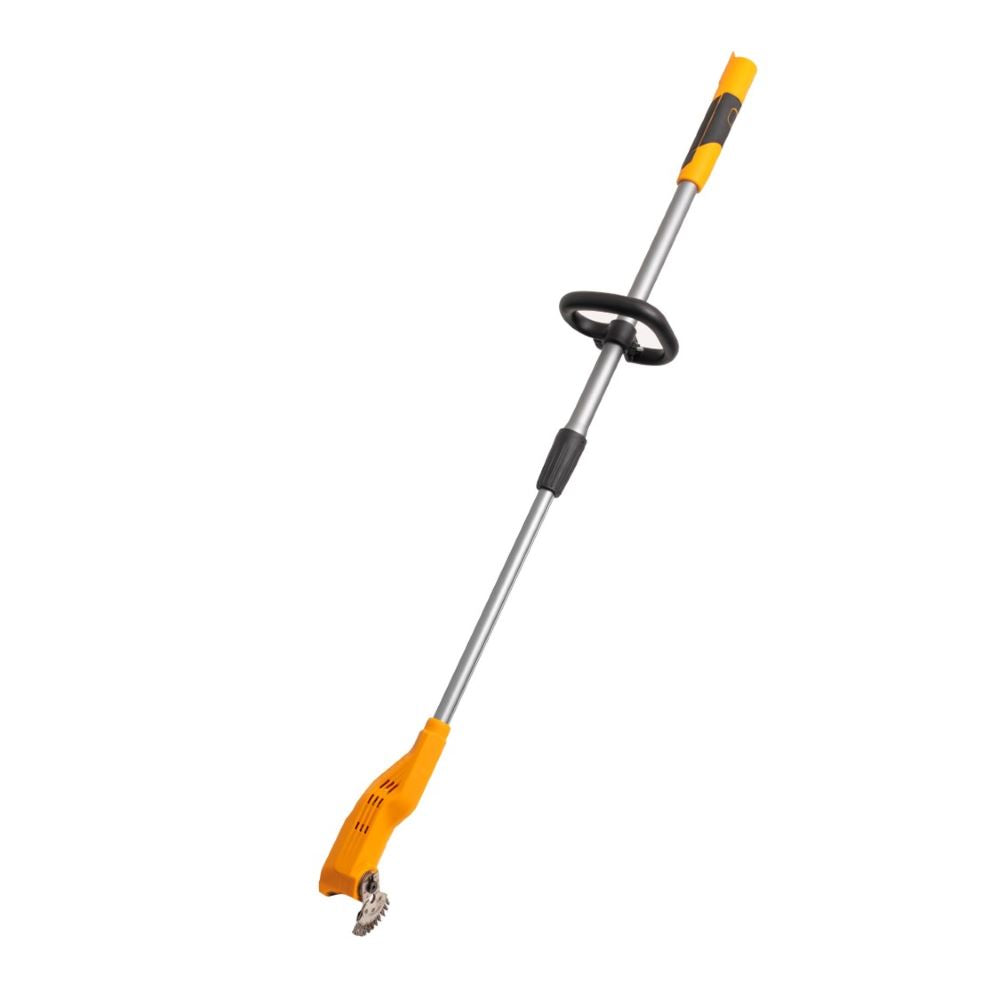
An electric brush cleaner such as the Batavia Twin Brush makes scrubbing joints and slabs a lot less tiring. For smaller patios and spots without an outdoor tap, a cordless pressure washer such as the Batavia Nexxforce is handy.
How do you prepare for cleaning?
Move furniture, pots and cushions off the patio. Sweep away loose dirt, leaves and sand so you do not wash them into the joints. Pull weeds and moss out of the joints before you start scrubbing or spraying. Pick a dry, overcast day: in full sun the cleaner dries too quickly.
How do you clean a wooden patio or decking?
- Sweep the boards and clear dirt from the gaps between them with a filling knife or a narrow brush.
- Mix a solution of a cleaner made for wood.
- Scrub with a medium-stiff brush along the grain.
- Rinse with the garden hose or with a pressure washer on a low setting.
- Leave the wood to dry for a few dry days before you apply oil or stain.
Can you use a pressure washer on wooden decking?
Preferably not at high pressure. A hard jet lifts the wood fibres, leaving the surface rough and furry so it picks up dirt again more quickly. If you do spray, use low pressure and a wide fan jet held well back, and work along the grain. Our guide to cleaning hardwood decking goes into more detail.
How do you clean composite decking?
Clean composite with warm water, a soft scrubbing brush and a mild soapy solution. Remove grease stains and fallen leaves as soon as you can, because they can soak into the surface. Brands differ on whether a pressure washer is allowed on composite, and from what distance, so check the manufacturer's care instructions.
How do you clean a concrete patio or concrete slabs?
Concrete is tough and can usually handle a pressure washer well. Start well back from the surface and only move closer if you need to. A rotary surface cleaner attachment gives an even result without stripes. Scrub stubborn stains with a suitable cleaner first, then rinse everything thoroughly.
How do you clean a natural stone patio?
Natural stone varies a great deal by type. Granite and bluestone are hard-wearing, but softer stones such as sandstone and limestone are easily damaged by high pressure. If in doubt, use a brush and a pH-neutral cleaner made for natural stone. Avoid acidic products such as vinegar or descalers on limestone and other calcareous stone, as they etch the surface.
Porcelain and ceramic paving are easy: they absorb little dirt and usually come clean with a brush and soapy water.
How do you remove green algae?
Green deposits are caused by algae growing in damp, shady spots. Scrub or spray off the loose dirt first. Then you can apply a green deposit remover that slowly breaks down what is left. Always follow the label, keep the product away from ponds and plants, and never use chlorine or bleach on wood or natural stone. You will find more tips per paving type in our guide to removing green deposits from outdoor tiles.
How do you remove weeds from between the joints?
Scrape the weeds out with a joint scraper, or brush them out with a stiff joint brush or an electric brush cleaner. After pressure washing, top the joints up with jointing sand or mortar, because the jet often blasts the sand out. Well-filled joints give weeds less chance to come back.
Which pressure washer mistakes are easy to make?
- Spraying too close to the surface. This leaves stripes and damages the top layer.
- Using a pencil jet on wood or soft stone.
- Washing out the jointing sand and forgetting to refill it.
- Spraying towards the house wall, doors or windows, so water and dirt get inside.
- Skipping protective clothing; flying grit can get in your eyes.
How often should you clean your patio?
Sweep the patio regularly and clear leaves before they start to rot. Give it a thorough clean with scrubbing or spraying once or twice a year, for example in spring and after autumn. A patio in shade or under trees will suffer from green deposits more often.
How do you protect the patio after cleaning?
Let the patio dry out completely. Then treat timber with decking oil or stain so it absorbs less moisture and dirt. Concrete and natural stone can be impregnated with a sealer made for that material. Test any new product on an inconspicuous spot first, because some sealers darken the stone.
Cleaning safely
Wear gloves when working with cleaning products and safety glasses when using a pressure washer. Never aim the jet at people, animals or outdoor sockets.
Frequently asked questions about patio cleaning
Can I remove green algae with soda crystals or vinegar?
Soda crystals can help with light dirt on wood and slabs. Vinegar is acidic and can damage natural stone such as limestone. Always check that a product suits your material and test it on a small area first.
Why is my wooden decking rough after cleaning?
Most likely it was sprayed at too high a pressure or from too close. That raises the wood fibres. Lightly sand the rough patches and then treat the wood with oil.
Do I need a pressure washer for a clean patio?
No. With a stiff brush, soapy water and a garden hose you can get most patios clean. A pressure washer or brush cleaner mainly makes the job faster and less tiring.
When is the best time to clean my patio?
In spring, on a dry, overcast day without frost. The patio then dries out gently and you can treat it afterwards.
In short: patio cleaning
Sweep first, clean out the joints and then choose your method by material: a pressure washer for concrete, a brush or low pressure for wood, composite and soft natural stone. Rinse well, refill the jointing sand and protect the patio with oil or a sealer once it is dry.