6 minute read -
Cleaning Exterior Walls: How to Do It Yourself
The safest way of cleaning exterior walls is to work from gentle to strong: start with water, a soft brush and a green algae remover, and only then move on to a pressure washer on low pressure from a good distance. The right method depends on the material, as brick can take more than mortar joints, render or timber.
Leave sandblasting and any cleaning at height to a specialist.
What will you learn in this article?
- Why clean your exterior walls?
- What type of wall do you have?
- What methods are there for cleaning exterior walls?
- Preparation
- Step by step: cleaning an exterior wall
- Protective clothing
- Aftercare: water-repellent treatment
- Do it yourself or call in a professional?
- Frequently asked questions about cleaning exterior walls
- In short: cleaning exterior walls
Why clean your exterior walls?
- Green algae and moss hold moisture. In winter that moisture can freeze and damage bricks or mortar joints.
- Dirt and soot make a wall look grey and tired, especially on a busy road.
- Damage becomes visible: a clean wall shows where joints are loose or bricks are cracked.
- Kerb appeal and value: a well-kept front makes a real difference to your home.
What type of wall do you have?
| Wall type | Suitable approach | Watch out for |
|---|---|---|
| Brick | Water, brush, algae remover, pressure washer on low pressure | Old or soft bricks and mortar can erode |
| Concrete | Algae remover, pressure washer | No acid on concrete |
| Render or decorative plaster | Soft brush, low-pressure rinse, dedicated cleaner | High pressure damages the top layer |
| Timber | Mild soapy water, brush, garden hose | High pressure raises the grain and forces water into joints |
| uPVC (such as cladding or panels) | Mild soapy water, soft brush, garden hose | No abrasives or solvents |
| Metal | Mild soapy water, soft brush | Don't scratch the coating |
If you're not sure what the material is, test first on a small, inconspicuous area.
What methods are there for cleaning exterior walls?
Water, brush and algae remover
This is the gentlest method and the best place to start for most walls. Wet the wall, apply a green algae remover and leave it to work as directed on the packaging. Some products are worked in with a brush afterwards, while others are left for rain and wind to do the job.
Pressure washer with cold water
A pressure washer works quickly on brick and concrete. Use a wide spray pattern, start on a low setting and keep a generous distance. Spray at an angle and never straight into the mortar joints. Too strong a jet blasts sand out of the joints and damages soft bricks. A cordless pressure washer such as the Batavia Nexxforce is handy for smaller sections, plinths, window frames and low walls without the need for a cable.
Steam or hot water cleaning
Hot water or steam at low pressure loosens grease, soot and algae without hitting the wall hard. Professional facade cleaners often work this way. The equipment isn't usually something a homeowner owns.
Chemical cleaning
For stubborn staining such as soot or efflorescence, specialists use acidic or alkaline products. The wrong product can damage bricks, mortar, glass and window frames. As a homeowner, stick to products suitable for your wall type and follow the instructions to the letter.
Sandblasting and abrasive blasting
Blasting removes the top layer of the brick. It's effective but can also damage a wall permanently. This is a job for a specialist, and on a listed building you will usually need consent from your local council.
Preparation
Inspect the wall
If mortar joints are loose or there are cracks, have them repaired first. Otherwise you'll be driving water into the wall.
Check for asbestos
Cladding panels, soffits or fascia boards in buildings built or refurbished before 2000 may contain asbestos. Never pressure wash or work on them yourself. If in doubt, have them tested by a professional.
Cover up
Tape over air bricks, vents and the letterbox, close windows and doors properly, and cover plants with plastic sheeting or wet them thoroughly beforehand.
Choose the right weather
Pick a dry, overcast day with no frost or strong wind. In bright sunshine a cleaner dries too quickly.
Set up a safe workplace
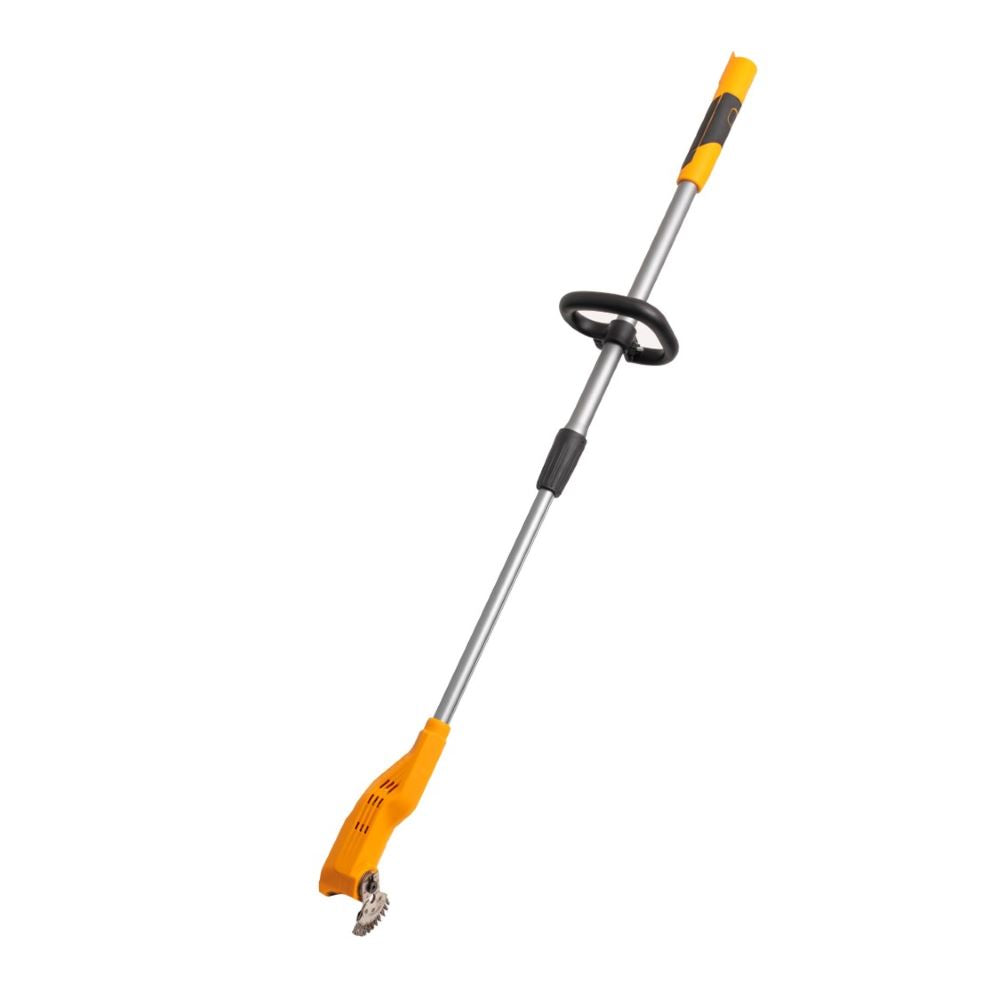
Work from the ground with a telescopic pole where you can. If you need to go higher, use a sturdy ladder or a scaffold tower and make sure someone is with you.
Step by step: cleaning an exterior wall
- Wet the wall from the bottom up. This stops dirt soaking deeper into the brick.
- Apply the cleaner, also from the bottom up.
- Leave it to work as directed on the packaging and keep the wall damp.
- Brush stubborn spots with a soft or medium brush.
- Rinse thoroughly from top to bottom with water or a pressure washer on low pressure.
- Let the wall dry for a few days and check the result.
Protective clothing
Wear safety glasses, waterproof gloves and clothes that can get wet. If you're using chemical products, check the packaging for the protection required. With a pressure washer, wear sturdy footwear with good grip.
Aftercare: water-repellent treatment
After cleaning, you can treat a brick wall with a water repellent. It makes the brick shed water, so dirt and algae don't take hold as quickly. Only do this if:
- the wall is completely dry (usually after several dry days),
- the mortar joints are in good condition,
- the product is breathable, so moisture in the wall can still escape.
If you're unsure if your wall is suitable, ask a facade specialist for advice.
Do it yourself or call in a professional?
Doing it yourself works well on a low wall with ordinary dirt and materials you know. Call in a professional for work at height, on listed buildings, for heavy staining such as soot or graffiti, when mortar joints are damaged and whenever you suspect asbestos.
Frequently asked questions about cleaning exterior walls
Can you clean a brick wall with a pressure washer?
Yes, but carefully: low setting, wide spray, plenty of distance and spray at an angle. Too much pressure strips out the mortar joints and damages soft bricks. On older walls it's better to try a gentler method first.
What gets rid of green algae on exterior walls?
Use a green algae remover suitable for masonry and walls. Apply it on a dry day and leave it to work as directed. Protect plants and rinse windows and frames afterwards.
When is the best time to clean exterior walls?
In spring or early autumn, on a dry, overcast day without frost. The wall needs a few days to dry afterwards.
How often should you clean exterior walls?
That depends on the position and the material. A north-facing wall or one under trees gets algae more quickly. Check your walls every year and clean them when you see green, black or grey staining.
In short: cleaning exterior walls
Start with the gentlest method: water, a brush and an algae remover. Only use a pressure washer on brick or concrete, on low pressure and from a distance. Prepare the wall properly, work safely at height and only apply a water repellent once everything is dry and the joints are sound.