6 minute read -
Energy-Efficient Appliances: Choosing, Calculating and Installing
Energy-efficient appliances use less electricity or gas to do the same job. Choose them by their energy label and annual consumption in kWh, and replace the appliances that use the most energy or are oldest first.
You can usually fit LED bulbs, a smart thermostat and freestanding white goods yourself. For an induction hob on a new circuit, solar panels or a heat pump, bring in a qualified electrician or certified installer.
What will you learn in this article?
- Why choose energy-efficient appliances?
- Which energy-efficient appliances are there?
- How do you read the energy label?
- How much will you save? Work it out yourself
- What can you install yourself and what not?
- What tools do you need?
- In what order should you tackle it?
- What should you do with your old appliance?
- Get more out of your efficient appliances
- Frequently asked questions about energy-efficient appliances
- In short: energy-efficient appliances
Why choose energy-efficient appliances?
An efficient appliance lowers your energy bill for as long as you use it. Because fridges, freezers and washing machines last for years, a small difference each year adds up. On top of that:
- Lower emissions: using less energy means less CO2 from generating electricity or burning gas.
- Less load on your circuits: efficient appliances draw less power, which helps in homes with an older consumer unit.
- Often better technology: newer models tend to have quieter motors, better insulation and smarter programmes.
Buying a new appliance also costs raw materials and energy. If an old appliance still works well and uses little power, it makes sense to keep it until it needs replacing.
Which energy-efficient appliances are there?
| Category | Examples | Fit it yourself? |
|---|---|---|
| Lighting | LED bulbs, LED strips, outdoor lights with sensors or solar power | Yes, at existing light fittings |
| Heating control | Smart or programmable thermostat, timed radiator valves | Usually yes |
| Kitchen | Induction hob, fridge, dishwasher | Freestanding yes, induction often not |
| Washing and drying | Washing machine, heat pump tumble dryer | Yes, if the connections are already there |
| Generation and heating | Solar panels, heat pump, ventilation with heat recovery | Certified installer |
Compact fluorescent bulbs are now hard to find. LED is more efficient, lasts longer and contains no mercury.
How do you read the energy label?
Since 2021, fridges, freezers, washing machines, dishwashers, displays and lamps have used a new scale from A to G, without the plus signs. An appliance that used to be rated A+++ is now often a C or D. That doesn't mean it has got worse; the scale has simply become stricter.
So focus on the annual consumption in kWh shown on the label rather than the letter. That figure lets you compare models directly.
How much will you save? Work it out yourself
You don't need a complicated calculator:
- Find the annual consumption of your old appliance (in the manual, on the rating plate, or by measuring with a plug-in energy monitor).
- Find the annual consumption of the new appliance on its energy label.
- Subtract one from the other and multiply by the price you pay per kWh on your electricity bill.
The result is roughly what you'll save each year. Divide the purchase price of the new appliance by that figure and you'll see how many years it takes to pay for itself.
What can you install yourself and what not?
Jobs you can do yourself
- LED bulbs in existing fittings: old bulb out, LED bulb in. If the light is on a dimmer, use a dimmable LED bulb and an LED-compatible dimmer.
- Replacing a light fitting: switch off the lighting circuit at the consumer unit, check with a voltage tester that it's dead, then transfer the wires.
- A smart thermostat on an existing low-voltage connection.
- Freestanding white goods plugged into an existing socket and connected to existing water supply and waste pipes.
- Solar-powered outdoor lighting, because it needs no wiring.
Leave these to a professional
- An induction hob often needs its own dedicated circuit. Have a qualified electrician check your consumer unit and install the connection. A new circuit is notifiable work under the Building Regulations.
- Solar panels involve working on the roof, an inverter and a connection at the consumer unit. Use an MCS-certified installer.
- A heat pump or ventilation with heat recovery involves sizing the system, pipework and sometimes refrigerant.
What tools do you need?
For most of the jobs you can do yourself, a small kit is enough:
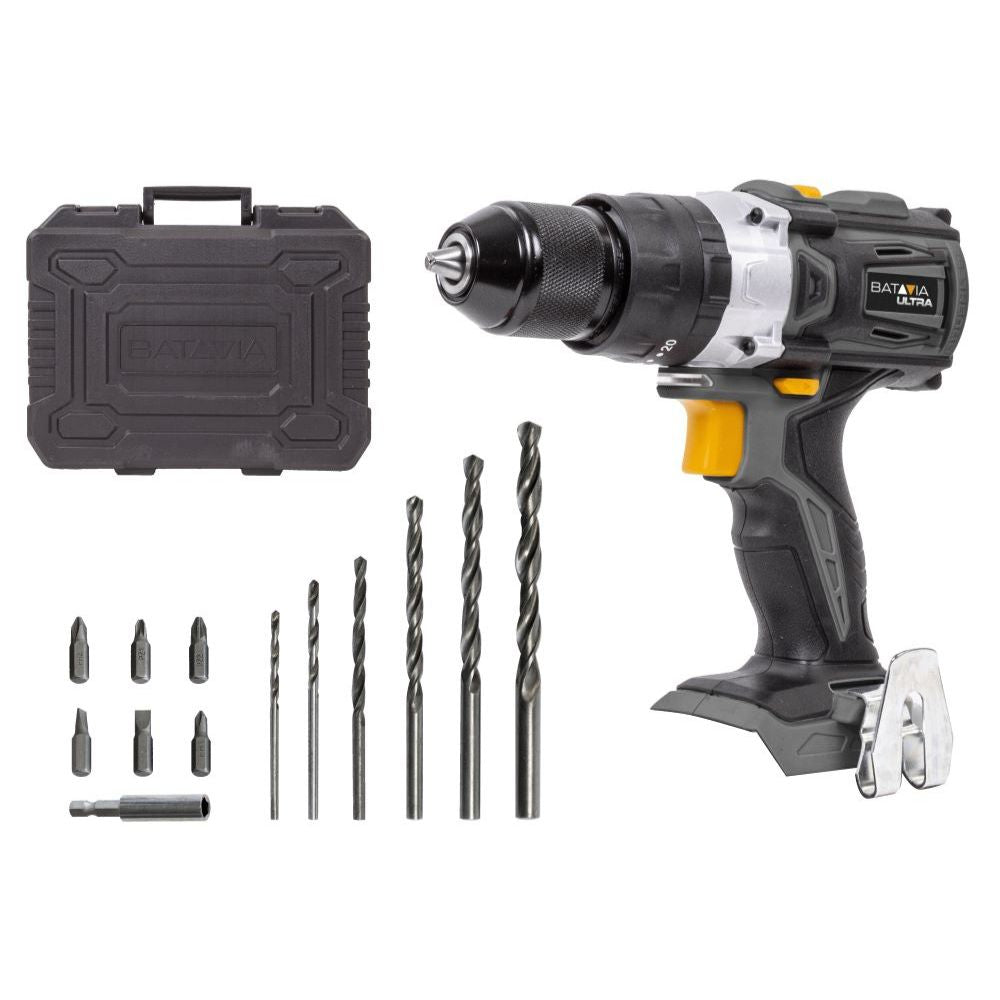
- A cordless drill driver, for example from the Maxxpack 18V range or the compact Fixxpack 12V line, for brackets, light fittings and a thermostat
- A hammer drill or rotary hammer setting for holes in brick and concrete
- A voltage tester
- Screwdrivers, wire strippers and suitable wire connectors
- A spirit level and tape measure
- A plug-in energy monitor to measure how much your old appliances use
In what order should you tackle it?
- Measure first which appliances use the most. An old freezer in the garage or a second fridge is often the biggest culprit.
- Switch your lighting to LED: low cost, immediate results.
- Control your heating with a programmable or smart thermostat.
- Replace white goods only when they break down or when the sums clearly add up.
- Then look at larger investments such as solar panels or a heat pump, ideally after improving your insulation.
What should you do with your old appliance?
Electrical appliances don't belong in your household rubbish. Take them to a household waste recycling centre, or ask the retailer: many shops will take back your old appliance when you buy a similar new one. If it still works, you can also sell it or give it away.
Get more out of your efficient appliances
- Set the fridge to about 4 degrees and the freezer to -18 degrees.
- Run the washing machine and dishwasher with a full load and use the eco programme.
- Switch off appliances with standby consumption completely using a switched extension lead.
- Defrost a freezer without frost-free technology regularly.
Frequently asked questions about energy-efficient appliances
Does an A rating mean the same as it used to?
No. Since 2021 the scale has been stricter and the plus signs have gone. An appliance rated C on the new label may well be more efficient than an old A+ model, so compare the annual consumption in kWh.
Can I connect an induction hob myself?
If there is already a suitable dedicated circuit and connection, you can follow the manufacturer's instructions. If a new circuit is needed, have a qualified electrician do the work. A wrong connection can cause overheating and fire.
When is it worth replacing an appliance that still works?
When the old appliance uses much more than a new model and you'll earn back the cost within a reasonable time. Multiply the difference in annual consumption by your electricity price and compare that with the price of the new appliance.
How do I measure what an appliance uses?
Plug an energy monitor in between the socket and the appliance and leave it for a few days. For a fridge or freezer this gives you a good picture of its yearly consumption.
In short: energy-efficient appliances
Compare appliances on their annual consumption in kWh before looking at the label letter. Start with LED lighting and a good thermostat, replace white goods when they wear out and work out the numbers on bigger investments first. Small installation jobs are fine with a drill driver and a voltage tester, while induction on a new circuit, solar panels and heat pumps are for a qualified professional.