6 minute read -
How to Clean an Awning and Keep the Fabric Fresh
To clean an awning, start by brushing off loose dirt, then wash the fabric with lukewarm water and a mild cleaner such as soft soap and rinse everything thoroughly. Leave the awning extended until it is completely dry before you roll it up.
Avoid harsh chemicals and powerful jets of water on the fabric. That way the water-repellent coating stays intact and the colours last longer.
What will you learn in this article?
- When should you clean an awning?
- What do you need?
- Step by step: cleaning an awning
- Can you clean an awning with a pressure washer?
- How do you remove green deposits and mould?
- Should you reproof an awning after cleaning?
- Awning maintenance: making it last longer
- Common mistakes
- Frequently asked questions about cleaning an awning
- In short: cleaning an awning
When should you clean an awning?
For most awnings a thorough clean once or twice a year is enough. Good times are in spring, before you start using it regularly, and in autumn, before it goes into winter. Pick a dry, overcast day without strong wind. In bright sunshine the soap dries too quickly and leaves marks.
In between, brush off leaves, dust and bird droppings now and then. The longer dirt sits on the fabric, the deeper it works into the weave.
What do you need?
- A soft brush, ideally with a long handle
- A bucket of lukewarm water
- A mild cleaner: soft soap or a cleaner made for awning fabric
- A soft sponge or microfibre cloth
- A garden hose with a spray nozzle
- Optionally a (cordless) pressure washer for the arms, the cassette and the patio underneath
- A sturdy step ladder or ladder if the awning is mounted high
Step by step: cleaning an awning
Extend the awning and brush it dry
Roll the awning out fully. Brush away all loose dirt, dust and leaves while the fabric is dry, on both the top and the underside. If you start with water straight away, you simply spread the dirt around.
Mix lukewarm water with a mild cleaner
Add a splash of soft soap or awning cleaner to a bucket of lukewarm water. Don't use bleach, ammonia, degreasing washing-up liquid or abrasive cleaners. They attack the colour and the water-repellent finish of the fabric.
Wash the fabric with a soft sponge
Work section by section with a soft sponge or brush. Use light pressure and don't scrub hard in one direction. Give spots with bird droppings or green deposits a little more attention.
Let the solution soak in
Leave the solution on for 5 to 10 minutes, but don't let the fabric dry out in the meantime. Use the time to clean the cassette, the arms and the front bar with the same solution.
Rinse thoroughly
Rinse the fabric well with the garden hose, working from top to bottom, until no more suds run off. Soap residue attracts fresh dirt and leaves marks.
Leave the awning extended to dry
Leave the awning rolled out until it is completely dry, including the seams. If you roll up a damp awning, mould can develop within a few days.
Can you clean an awning with a pressure washer?
Preferably not on the fabric. A powerful jet can damage the coating and the seams and make the weave fray, which is why many manufacturers advise against it. If you do want to use a pressure washer, choose the lowest setting and a wide spray pattern and keep a generous distance. A garden hose with a gentle spray is the safest option for the fabric.
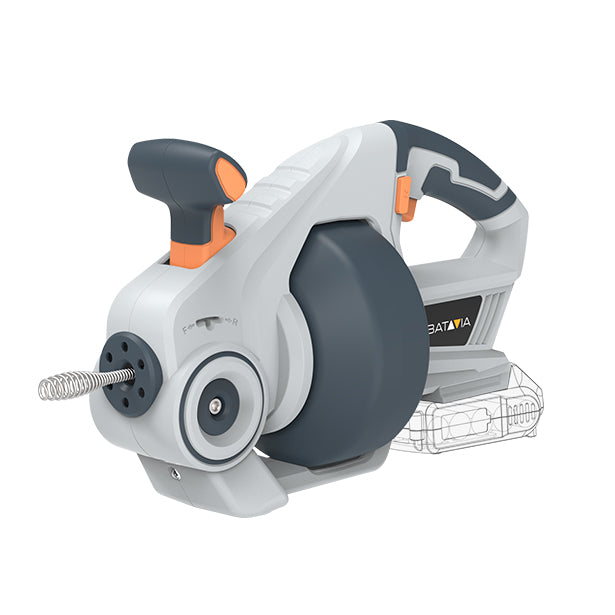
A cordless pressure washer such as the Batavia Nexxforce is useful for the metal arms, the cassette and the patio under the awning. A bit more pressure does no harm there.
How do you remove green deposits and mould?
Green deposits (algae) often appear along the edges and in places that get little sun. Light deposits usually come off with soft soap and a soft brush. For stubborn algae or small black mould spots, use a cleaner made specifically for awning fabric. Test it first on an inconspicuous area, because some products lighten the colour. Bleach is not a good idea: it damages both the fibres and the colour.
If mould stains won't shift, the mould has got deep into the fabric. An awning specialist can then clean the fabric professionally or replace it.
Should you reproof an awning after cleaning?
New awning fabric has a water-repellent finish, which wears off after years of sun, wind and rain. If you notice that water soaks in instead of beading on the surface, you can reproof the fabric after cleaning with a product suitable for awnings. Apply it to clean, dry fabric and follow the drying time on the packaging.
Awning maintenance: making it last longer
- Retract the awning in strong wind and heavy rain. Standing water stretches the fabric.
- Never roll it up wet. If you must, extend it again on the next dry day to let it dry.
- Check for wear once a year. Look at the seams, small tears, loose stitching and rust on the arms.
- Lubricate the arm joints with a suitable lubricant if they feel stiff.
- Repair small tears quickly with a fabric repair kit or have them stitched. Large tears or stretched fabric mean it's time for a new cover.
Common mistakes
- Starting with water without brushing off loose dirt first
- Using washing-up liquid, bleach or abrasive cleaners
- Aiming a powerful jet at the fabric from close range
- Cleaning in full sun
- Rolling the awning up before it is completely dry
Frequently asked questions about cleaning an awning
Can I clean my awning without taking the fabric off?
Yes. For routine maintenance you simply extend the awning and clean it in place. You only need to remove the fabric if you're having it professionally cleaned or replaced.
What cleaner should you use on an awning?
Use soft soap or a dedicated awning fabric cleaner diluted in lukewarm water. Avoid bleach, ammonia, degreasers and abrasive cleaners, as they damage the colour and the water-repellent finish.
How often should you clean an awning?
Give it a thorough clean once or twice a year, for example in spring and autumn. In between, brush off loose dirt and bird droppings as soon as you spot them.
What should you do if your awning was rolled up wet?
Roll it out fully on the next dry day and let it dry. Being rolled up wet for a short time is usually not a problem, but several days in a row increases the risk of mould and stains.
In short: cleaning an awning
Brush the fabric dry first, wash it with lukewarm water and a mild cleaner, let it soak in briefly and rinse thoroughly. Leave the awning extended to dry and only roll it up once the seams are dry too. Save the pressure washer for the arms, the cassette and the patio, not the fabric.